
June 19, 2026
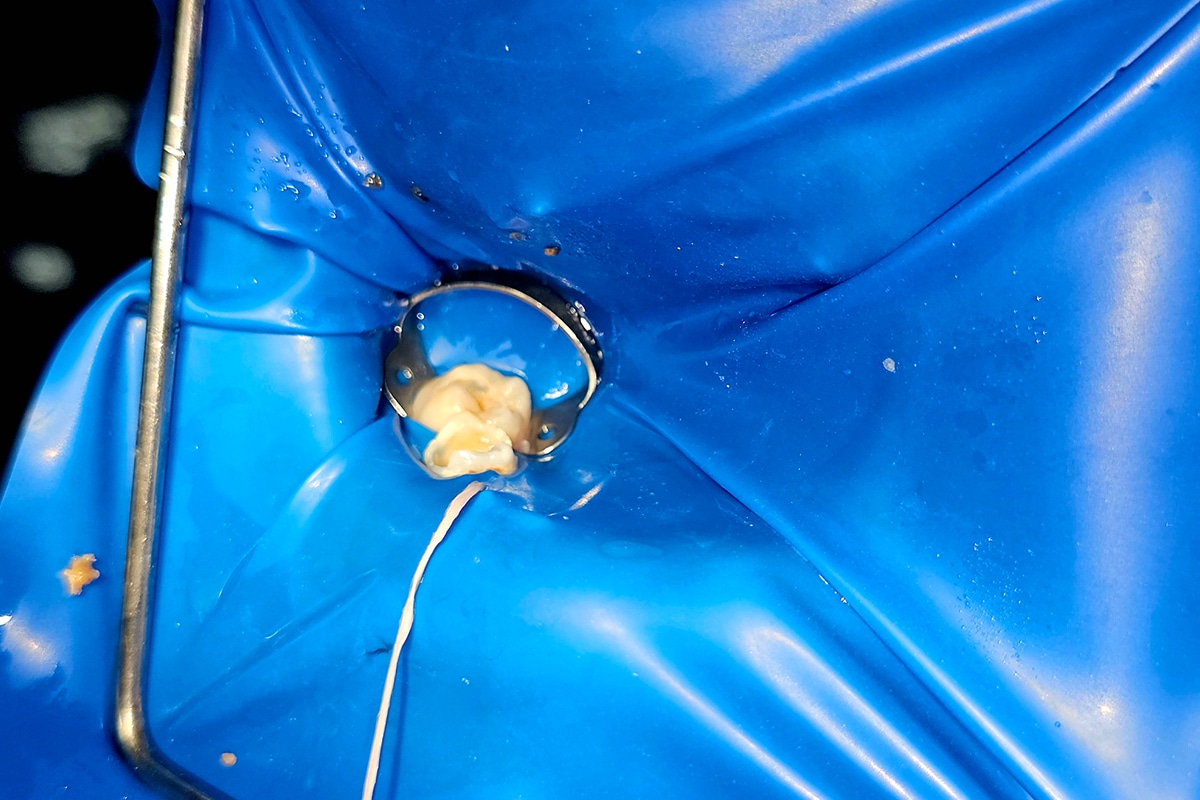
When a child has a deep cavity or dental injury, parents are often surprised to hear that a baby tooth may need something similar to a root canal. A pulpotomy is a common pediatric dental procedure used to save a damaged baby tooth and prevent further pain or infection. While the term can sound intimidating, pulpotomies are safe, effective, and designed specifically for children.
At Great Marsh Pediatric Dentistry, protecting children’s oral health early can help support healthy smiles for years to come. Understanding how a pulpotomy works and when it may be needed can help parents feel more confident if their child ever requires treatment. In many cases, prompt care can preserve the tooth, relieve discomfort, and avoid more extensive procedures later.
What Is a Pulpotomy?
A pulpotomy is a dental treatment used to remove infected or inflamed tissue from the inside of a baby tooth while keeping the healthy portion of the tooth intact. The pulp is the soft tissue located inside the tooth that contains nerves and blood vessels. When decay reaches this area, children may experience tooth pain, sensitivity, swelling, or discomfort while eating.
During a pulpotomy, the pediatric dentist removes the damaged pulp from the crown portion of the tooth but leaves the healthy root tissue in place. After cleaning and disinfecting the area, a special medicated material is placed inside the tooth to help protect it and support healing. In most cases, the tooth is then covered with a durable dental crown to restore strength and function.
Many parents refer to this procedure as a “baby tooth root canal,” but it is different from a traditional adult root canal. Because baby teeth have different anatomy and developmental needs, pulpotomies are less invasive and specifically designed for growing smiles.
Saving a baby tooth is often important because these teeth help children chew properly, speak clearly, and maintain space for incoming permanent teeth. Losing a baby tooth too early can sometimes lead to crowding or alignment issues later.
Why Might a Child Need a Pulpotomy?
The most common reason for a pulpotomy is untreated tooth decay that has spread deep into the tooth. Cavities can progress quickly in children because baby teeth have thinner enamel than adult teeth. Even a small cavity may eventually reach the pulp if left untreated.
A child may also need a pulpotomy after dental trauma, such as a cracked or broken tooth caused by a fall or sports injury. When the inner portion of the tooth becomes exposed or irritated, treatment may be necessary to prevent infection and preserve the tooth.
Some common signs that may indicate a pulpotomy is needed include:
- Tooth pain
• Sensitivity to hot or cold foods
However, not every child with tooth decay experiences noticeable symptoms. Regular dental visits are important because pediatric dentists can often identify problems before they become painful.
Early intervention is a key part of pediatric restorative dentistry. Addressing cavities and infections early can help avoid more serious complications while keeping children comfortable and healthy.
What Happens During a Pulpotomy Appointment?
Many parents worry that a pulpotomy will be stressful or painful for their child, but pediatric dental offices are designed to make the experience as comfortable as possible. Great Marsh Pediatric Dentistry focuses on creating a calm, child-friendly environment that helps children feel safe during treatment.
The appointment typically begins with digital X-rays and an examination to determine the extent of the decay or damage. Once the dentist confirms that a pulpotomy is the appropriate treatment, the area is numbed using local anesthesia to prevent discomfort.
During the procedure, the dentist carefully removes the decayed portion of the tooth and the affected pulp tissue from the crown area. The inside of the tooth is cleaned thoroughly before a protective medication is applied. Finally, a filling, stainless steel crown or another pediatric crown option is placed over the tooth to restore durability and function.
The procedure itself is usually completed in a single visit. Many children tolerate treatment very well, especially when the dental team explains the process in a reassuring and age-appropriate way.
Parents can also discuss sedation options if their child feels anxious or has difficulty sitting comfortably during treatment. Pediatric dentists commonly offer techniques that help children remain calm throughout restorative procedures.
Why Baby Teeth Matter More Than Many Parents Realize
Some parents wonder whether treating baby teeth is necessary since they eventually fall out naturally. However, healthy baby teeth play a major role in a child’s development and long-term oral health.
Baby teeth act as placeholders for permanent teeth. If a baby tooth is lost too early due to infection or extraction, nearby teeth may shift into the empty space. This can create crowding problems when adult teeth begin erupting.
Baby teeth also help children:
- Chew food comfortably
• Develop clear speech patterns
• Maintain proper jaw development
• Build positive oral health habits
Preserving baby teeth whenever possible is often the best choice for maintaining proper dental development. Procedures like pulpotomies are part of comprehensive restorative dentistry that supports healthy smiles during childhood.
When tooth decay is treated early, children are also less likely to experience pain, infection, or dental anxiety associated with emergency dental problems.
How to Help Prevent the Need for a Pulpotomy
Although pulpotomies are effective, prevention is always the preferred approach. Parents can help reduce the risk of cavities and dental infections by supporting strong oral hygiene habits from an early age.
Helpful preventive steps include:
- Brush Twice Daily. Children should brush with fluoride toothpaste twice each day using age-appropriate supervision. Young children often need help brushing thoroughly.
- Limit Sugary Snacks and Drinks. Frequent exposure to sugary foods and beverages increases cavity risk. Water and balanced snacks are better choices for protecting teeth.
- Schedule Routine Dental Visits. Regular dental checkups allow pediatric dentists to detect cavities early before they progress deeper into the tooth.
- Consider Dental Sealants and Fluoride Treatments. Preventive treatments can strengthen enamel and protect hard-to-clean areas from decay.
- Address Dental Injuries Promptly. If a child chips or injures a tooth, prompt evaluation can help prevent complications that may require restorative care.
Parents should also remember that cavities in baby teeth can progress rapidly. Delaying treatment may increase the likelihood that a simple filling becomes a more advanced procedure.
Supporting Your Child Through Dental Treatment
Children often take emotional cues from their parents when it comes to dental visits. Remaining calm and positive when discussing dental treatment can help reduce fear and anxiety.
Using simple, reassuring language is often helpful. Instead of focusing on drills or shots, parents can explain that the dentist is helping make the tooth healthy and strong again. Pediatric dental teams are specially trained to communicate with children in supportive ways that build trust and confidence.
After a pulpotomy, most children return to normal activities quickly. Mild soreness may occur for a short time, but discomfort is generally minimal. Following the dentist’s aftercare instructions can help ensure smooth healing.
Choosing a pediatric dental practice experienced in restorative dentistry can also make a significant difference in a child’s comfort level and overall experience.
Protecting Growing Smiles With Early Dental Care
A pulpotomy may sound overwhelming at first, but it is a routine and highly effective treatment that helps preserve baby teeth and protect long-term oral health. By treating infection early and restoring damaged teeth, pediatric dentists can help children stay comfortable while supporting healthy dental development.
At Great Marsh Pediatric Dentistry, compassionate care and preventive education help families feel confident about their children’s oral health. Understanding how pulpotomies work can empower parents to seek timely care and make informed decisions when dental issues arise.
If your child has tooth pain, sensitivity, or signs of decay, early evaluation can help prevent more serious complications and keep their smile healthy as they grow.
Frequently Asked Questions About Restorative Dentistry
Is a pulpotomy painful for children?
A pulpotomy is typically not painful because the tooth is fully numbed during treatment. Pediatric dental teams also use child-friendly techniques to help children feel calm and comfortable throughout the procedure.
How long does a baby tooth last after a pulpotomy?
In many cases, the treated tooth remains healthy until it naturally falls out to make room for the permanent tooth. Proper oral hygiene and routine dental visits help support long-term success.
Why does my child need a crown after a pulpotomy?
After infected tissue is removed, the tooth may become weaker. A dental crown helps protect the tooth, restore function, and prevent additional damage or decay.
Can a cavity become serious that quickly in baby teeth?
Yes. Baby teeth have thinner enamel than adult teeth, which means cavities can spread faster and reach the inner pulp more quickly if untreated.
What happens if a pulpotomy is not performed?
Without treatment, infection inside the tooth can worsen and potentially spread to surrounding tissues. This may lead to pain, swelling, or the need for tooth extraction.
At Great Marsh Pediatric Dentistry, we are committed to helping children build healthy smiles in a welcoming and supportive environment. Our team provides compassionate pediatric dental care focused on prevention, comfort, and long-term oral health for every stage of childhood. We proudly help families navigate treatments like restorative dentistry with personalized care and education. Contact us today to learn more and schedule an appointment.