
April 28, 2026
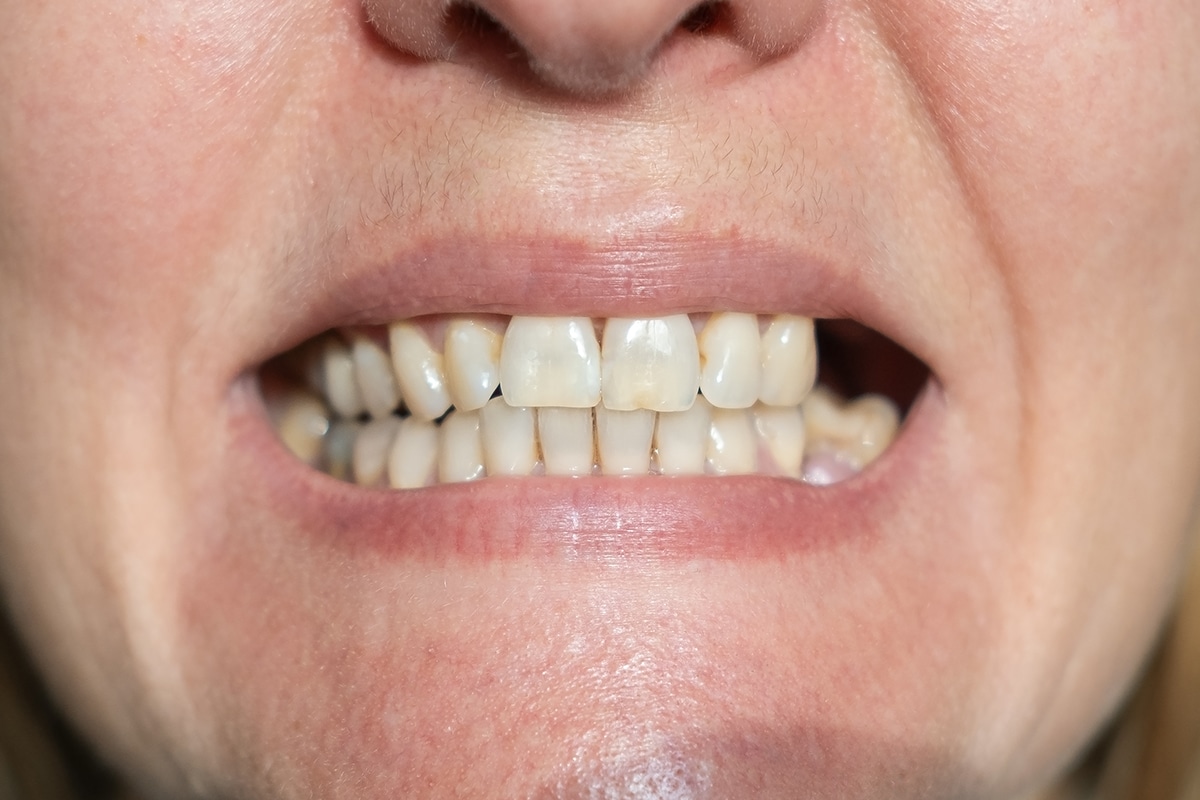
As a parent, noticing something unusual on your child’s teeth can be concerning. One common issue that often raises questions is the appearance of white spots. While they may seem harmless at first glance, these spots can actually be one of the earliest signs of tooth decay. Understanding what they mean and how to respond is an important part of early dental care for children.
At Great Marsh Pediatric Dentistry, helping families recognize and prevent dental problems early is a top priority. By identifying warning signs like white spots, you can take action before cavities develop and protect your child’s long-term oral health.
What Do White Spots on Teeth Mean?
White spots on your child’s teeth are often an early indicator of enamel demineralization. This occurs when minerals like calcium and phosphate are lost from the tooth’s surface due to acids produced by bacteria. Over time, this process weakens the enamel and can lead to cavities if left untreated.
These spots typically appear as chalky, dull patches that contrast with the natural shine of healthy enamel. They are most commonly found along the gumline or on the front surfaces of teeth, where plaque tends to accumulate.
While demineralization is the most common cause, white spots can also result from other factors such as fluorosis, which occurs when too much fluoride is consumed during tooth development. A pediatric dentist can determine the exact cause and recommend the appropriate treatment.
Recognizing these early signs reinforces the importance of routine checkups and preventive early dental care to keep your child’s smile healthy.
Why Early Detection Matters for Your Child’s Oral Health
Cavities do not form overnight. They develop gradually, starting with subtle changes like white spots before progressing into visible decay. Catching these signs early allows for non-invasive treatments that can stop or even reverse the damage.
When addressed promptly, enamel demineralization can often be treated with fluoride applications, improved oral hygiene, and dietary adjustments. These measures help restore lost minerals and strengthen the enamel before a cavity forms.
Ignoring white spots, however, can lead to more serious issues. As the enamel continues to weaken, it can eventually break down and create a cavity that requires fillings or other restorative procedures.
That is why scheduling regular visits and prioritizing early dental care plays such a critical role. Preventive care not only reduces the risk of cavities but also helps children develop positive dental habits that last a lifetime.
Common Causes of White Spots on Children’s Teeth
Understanding what contributes to white spots can help you take proactive steps to prevent them. Several factors may be involved:
- Poor Oral Hygiene. When plaque is not removed effectively, bacteria produce acids that attack tooth enamel. This is one of the leading causes of white spot lesions.
- Frequent Snacking on Sugary Foods. Sugary and starchy foods feed harmful bacteria in the mouth. Frequent snacking increases acid exposure, making it harder for enamel to recover.
- Dry Mouth. Saliva plays an essential role in neutralizing acids and remineralizing teeth. Reduced saliva flow can increase the risk of demineralization.
- Orthodontic Appliances. Braces and other appliances can make it more difficult to clean teeth thoroughly, leading to plaque buildup and white spots.
- Developmental Factors: Sometimes as enamel forms, it can have more or less minerals in an area creating different colors, including areas of white spots within the enamel.
- Excess Fluoride Intake. While fluoride is beneficial in the right amounts, too much during tooth development can lead to fluorosis, which appears as faint white streaks or spots.
By identifying these risk factors, parents can work closely with their child’s dentist to create a personalized prevention plan.
How Pediatric Dentists Treat and Prevent White Spots
The good news is that white spots are often reversible when caught early. Pediatric dentists use a variety of techniques to restore enamel health and prevent further damage.
- Fluoride Treatments. Professional fluoride applications help replenish lost minerals and strengthen enamel. This is one of the most effective ways to reverse early-stage decay.
- Dental Sealants. Sealants provide a protective barrier over the chewing surfaces of molars, reducing the risk of plaque accumulation and decay.
- Improved Oral Hygiene Education. Teaching children proper brushing and flossing techniques is essential. Pediatric dental teams often work closely with families to make oral care routines easier and more effective.
- Dietary Guidance. Reducing sugary snacks and encouraging a balanced diet can significantly lower the risk of enamel damage.
- Monitoring and Regular Checkups. Routine visits allow dentists to track any changes and intervene early if needed. Preventive care is always more comfortable and cost-effective than treating advanced decay.
With consistent early dental care, many children can avoid cavities altogether and maintain strong, healthy smiles.
Tips for Parents to Protect Their Child’s Teeth at Home
Preventing white spots starts with daily habits. Here are some simple steps you can take to support your child’s oral health:
- Encourage brushing twice a day with a fluoride toothpaste appropriate for your child’s age. Make sure they brush for at least two minutes and reach all surfaces of the teeth.
- Introduce flossing as soon as teeth begin to touch. This helps remove plaque from areas a toothbrush cannot reach.
- Limit sugary drinks and snacks, especially between meals. Water is always the best choice for hydration.
- Schedule regular dental visits to monitor your child’s oral health and address any concerns early.
- Supervise brushing for younger children to ensure they are using the correct technique and amount of toothpaste.
By staying consistent with these habits, you can reduce the likelihood of white spots and support your child’s overall dental development.
Protecting Your Child’s Smile Starts Early
White spots on your child’s teeth are more than just a cosmetic concern. They are often a warning sign that the enamel is under attack. The good news is that with early detection and the right care, these issues can often be reversed before they become more serious.
At Great Marsh Pediatric Dentistry, families are supported every step of the way with preventive solutions designed specifically for children. By prioritizing early dental care and maintaining regular checkups, you can help your child build a strong foundation for lifelong oral health.
Frequently Asked Questions About Early Dental Care
Are white spots on teeth always a sign of cavities?
Not always. While they are often an early sign of decay, white spots can also result from differences in enamel development or fluorosis. A pediatric dentist can help determine the cause.
Can white spots on my child’s teeth go away?
Yes, in many cases they can be reversed with fluoride treatments and improved oral hygiene. Early intervention is key to preventing further damage.
At what age should my child start receiving early dental care?
Children should visit a dentist by their first birthday or when their first tooth appears. Starting early helps prevent issues and builds positive dental experiences.
How can I prevent white spots from forming?
Consistent brushing, limiting sugary foods, and regular dental visits are the best ways to prevent enamel demineralization and white spots.
Are fluoride treatments safe for children?
Yes, when administered by a dental professional, fluoride treatments are safe and highly effective in strengthening enamel and preventing decay.
At Great Marsh Pediatric Dentistry, we are committed to helping children develop healthy smiles from the very beginning. Our team focuses on gentle, preventive care tailored to each child’s needs. We partner with families to create positive dental experiences and long-term oral health success. Contact us today to learn more and schedule an appointment.