Watching your child’s smile change over time is one of the most memorable parts of early childhood. From the appearance of the first baby tooth to the moment the last primary tooth falls out, tooth eruption and shedding are important milestones in your child’s development. Understanding what is normal at each stage can help parents feel confident and prepared while supporting their child’s oral health.
At Great Marsh Pediatric Dentistry, helping families understand these changes is an important part of keeping young smiles healthy from infancy through adolescence.
What Is Tooth Eruption?
Tooth eruption is the process of teeth moving from beneath the gums into the mouth. This happens in two major phases. The first involves baby teeth, also called primary teeth. The second phase occurs years later when permanent adult teeth replace them.
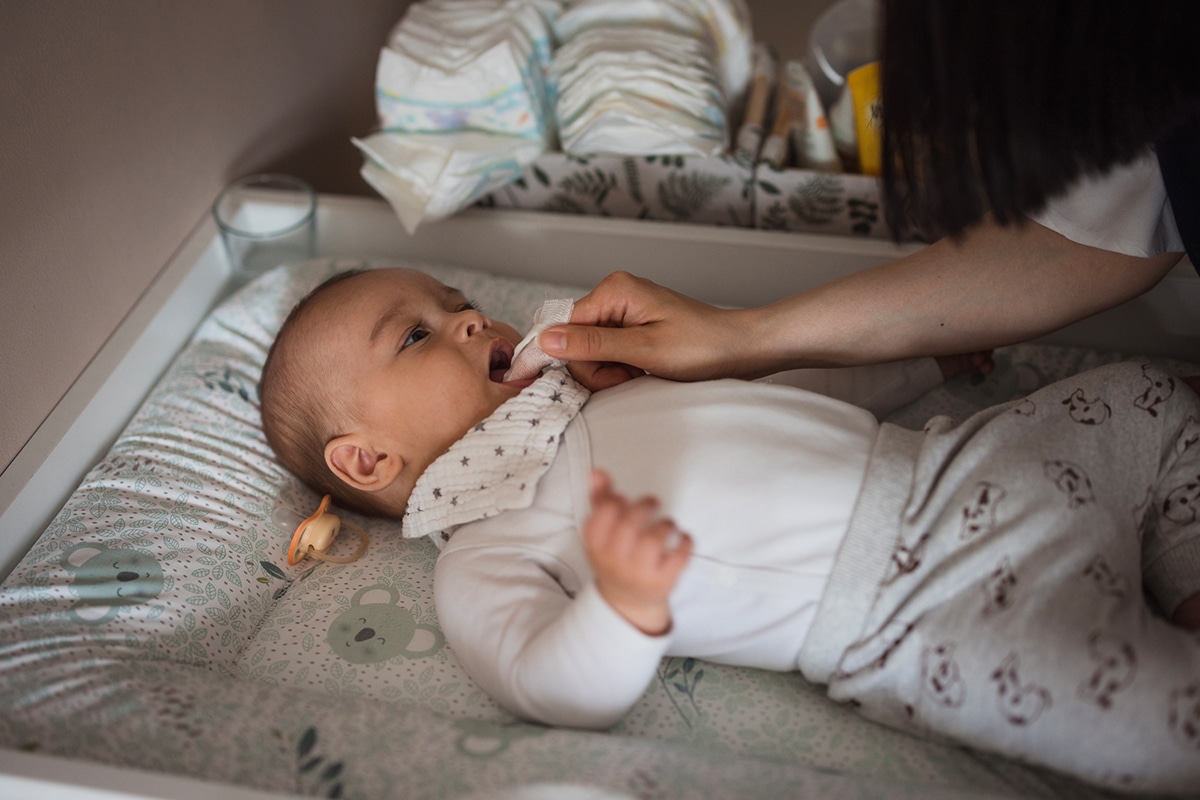
Most children begin teething between six and twelve months of age. The first teeth to appear are usually the lower front teeth, followed by the upper front teeth. Over the next two to three years, additional teeth gradually erupt until a full set of 20 baby teeth is present, typically by age three.
During this stage, children may experience tender gums, drooling, irritability, or an increased desire to chew. These symptoms are normal and temporary. Parents can help soothe discomfort by offering chilled teething rings, gently massaging the gums with a clean finger, or using other pediatric dentist approved comfort methods.
Why Baby Teeth Matter
Even though baby teeth eventually fall out, they play a critical role in your child’s development. Primary teeth help children chew properly, support clear speech, and maintain space in the jaw for permanent teeth. Healthy baby teeth also help guide adult teeth into their correct positions later on.
At Great Marsh Pediatric Dentistry, pediatric dentists monitor tooth eruption closely to ensure baby teeth are developing on schedule and staying healthy. Early dental visits allow issues such as crowding, delayed eruption, or early tooth loss to be addressed before they become larger concerns.
When Do Baby Teeth Start to Fall Out?
Tooth shedding usually begins around age six, although the timing can vary from child to child. The first teeth to loosen are often the same ones that erupted first, the front teeth. As permanent teeth develop beneath the gums, they gradually dissolve the roots of baby teeth, causing them to loosen and fall out naturally.
This process continues slowly over several years. Most children lose their last baby teeth between the ages of ten and twelve. During this time, children will have a mix of baby teeth and permanent teeth, a stage known as mixed dentition.
What Is Normal During the Mixed Dentition Stage?
During mixed dentition, parents may notice gaps, crowding, or adult teeth that appear larger or darker than baby teeth. These changes are completely normal. Permanent teeth are naturally larger and often come in at slightly different angles as the jaw continues to grow.
Sometimes adult teeth erupt before baby teeth fall out, creating a double row appearance. In many cases, the baby tooth will loosen and fall out on its own. Regular checkups at Great Marsh Pediatric Dentistry allow your child’s dentist to determine whether natural correction is likely or if treatment is needed.
How Parents Can Support Healthy Tooth Development
Good oral hygiene habits should begin with the first tooth. Brushing twice a day with age appropriate toothpaste, flossing once teeth touch, and maintaining regular dental visits all help protect both baby and adult teeth.
Parents should avoid pulling loose baby teeth prematurely. Allowing teeth to fall out naturally helps protect the gums and supports proper spacing for adult teeth. A balanced diet rich in calcium and essential nutrients also supports strong teeth and jaw development.
Routine visits to Great Marsh Pediatric Dentistry ensure your child’s eruption and shedding patterns are monitored carefully, helping identify potential concerns early and keeping dental development on track.
Frequently Asked Questions About Tooth Eruption and Shedding
- When should my child get their first tooth?
Most children get their first tooth between six and twelve months, though earlier or later eruption can still be normal. - Is teething painful for children?
Teething can cause mild discomfort or fussiness, but severe pain or high fever is not typical and should be evaluated. - What if my child’s teeth erupt out of order?
Eruption timing and order can vary and is usually not a problem. Pediatric dentists monitor overall development rather than strict timelines. - Should I worry if adult teeth come in crooked?
Some crowding or misalignment is common during mixed dentition and often improves as the jaw grows. - What happens if a baby tooth does not fall out?
If a baby tooth remains in place while the adult tooth erupts, a dentist can determine if removal is necessary. - How often should my child visit the dentist during this stage?
Children should visit the dentist every six months so tooth development can be monitored and oral health maintained.
Understanding tooth eruption and shedding helps parents navigate each stage of their child’s dental development with confidence. With guidance from Great Marsh Pediatric Dentistry, families can feel assured that their child’s smile is growing healthy, strong, and right on schedule.