Cavities are one of the most common childhood health concerns, even among children who brush regularly and visit the dentist twice a year. Many parents are surprised to learn that brushing and flossing alone may not always be enough to fully protect developing teeth. This is where dental sealants come in. As part of preventive and diagnostic dentistry, sealants are designed to add an extra layer of protection against tooth decay.
Dental sealants are thin, protective coatings placed on the chewing surfaces of molars. These back teeth contain deep grooves where food particles and bacteria can easily become trapped. Sealants act as a barrier, preventing plaque and acids from reaching vulnerable enamel. For many children, they play an important role in reducing the risk of cavities during the years when oral hygiene habits are still developing.
Why Children Are More Prone to Cavities
Children face several unique challenges when it comes to oral health. Their teeth are still developing, and their brushing habits may not always be as consistent or effective as adults. Even when children brush regularly, the grooves in their molars can be difficult to clean thoroughly.
Molars often erupt around age 6 and again around age 12. These permanent teeth will need to last a lifetime, which makes early protection essential. The pits and fissures on chewing surfaces create ideal hiding spots for food debris and cavity-causing bacteria.
Diet also plays a role. Many children consume snacks and beverages that contain sugar or carbohydrates, which bacteria feed on to produce acids that weaken tooth enamel. Without added protection, these acids can begin to break down enamel and lead to cavities.
By focusing on preventive and diagnostic dentistry, pediatric dental professionals can identify risks early and provide solutions such as sealants to help prevent decay before it begins.
How Dental Sealants Work
Dental sealants are quick, painless, and highly effective. The process typically takes only a few minutes per tooth and does not require anesthesia or drilling.
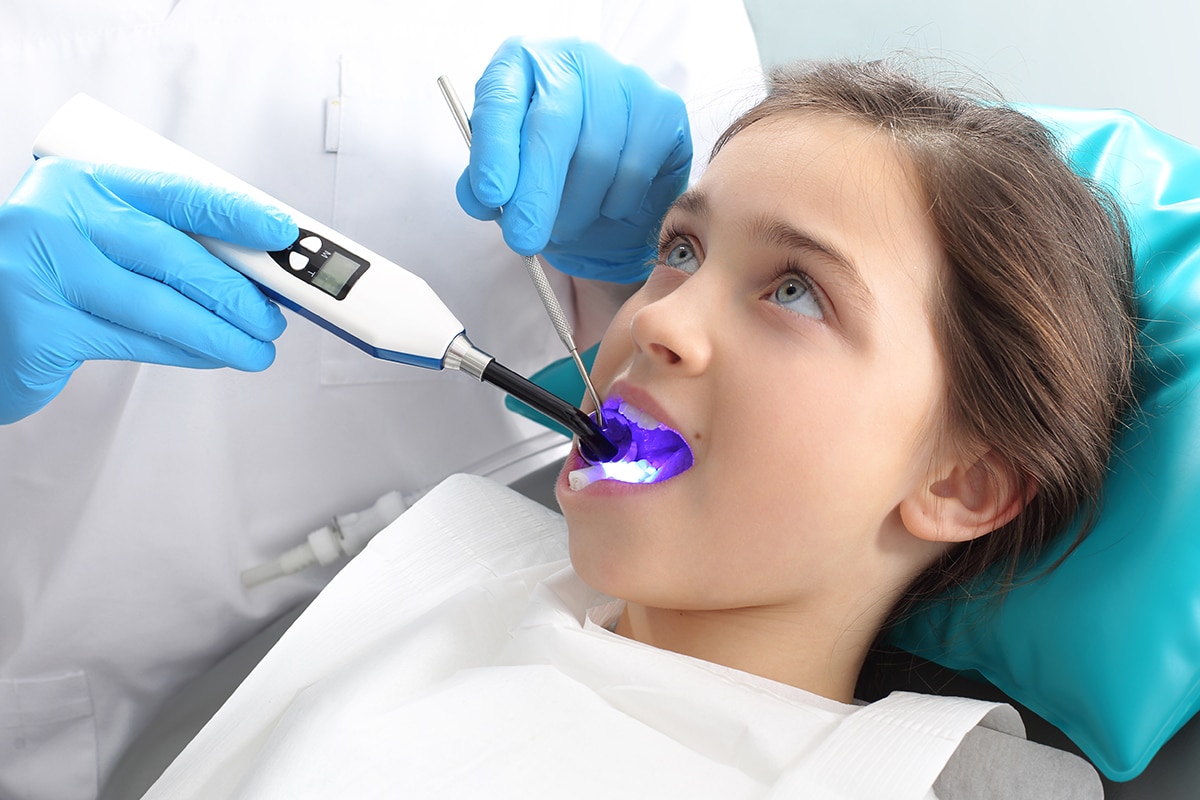
First, the dentist carefully cleans and dries the tooth. A special solution is applied to prepare the enamel surface, helping the sealant bond securely. The sealant material is then painted onto the chewing surface of the molar and hardened with a special light.
Once in place, the sealant forms a smooth, protective shield over the deep grooves of the tooth. This barrier keeps food particles and bacteria from settling into areas that are difficult to clean with a toothbrush.
Sealants are durable and can last several years with proper care. During routine dental visits, the dentist checks them to ensure they remain intact and continues to protect the tooth.
Families who learn about the benefits of preventive and diagnostic dentistry often choose to have sealants placed soon after permanent molars erupt. This proactive approach helps protect teeth during the years when children are most vulnerable to cavities.
Are Dental Sealants Really Necessary?
Some parents wonder whether sealants are truly necessary if their child already brushes well and attends regular dental checkups. While strong oral hygiene habits are essential, sealants provide an additional level of protection that brushing alone cannot always achieve.
Research consistently shows that sealants significantly reduce the risk of cavities in molars. The Centers for Disease Control and Prevention reports that dental sealants can reduce the risk of decay in molars by up to 80% in the first two years after placement.
The reason is simple. Toothbrush bristles often cannot reach into the deepest grooves of molars. Sealants fill in these grooves, creating a smoother surface that is easier to clean.
Because of this, pediatric dentists commonly recommend sealants for children once their permanent molars erupt. This early intervention helps stop cavities before they start, reducing the need for fillings or other restorative treatments later.
As part of a broader preventive and diagnostic dentistry strategy, sealants work alongside professional cleanings, fluoride treatments, and regular exams to keep children’s teeth healthy.
When Should Children Get Dental Sealants?
The timing of sealant placement is important. Most children benefit from sealants shortly after their permanent molars appear.
The first set of permanent molars typically erupts around age 6. A second set often appears around age 12. Applying sealants soon after these teeth come in allows dentists to protect them before bacteria and plaque have a chance to settle into their grooves.
Some children may also benefit from sealants on premolars or baby teeth if those teeth have deep grooves and are at high risk for decay. A pediatric dentist can evaluate each child’s oral health and recommend the most appropriate preventive treatments.
Regular dental visits allow the dentist to monitor tooth development and determine the best time to apply sealants. These visits also help ensure that sealants remain intact and continue to provide protection.
When combined with consistent brushing, flossing, and healthy dietary habits, sealants offer long lasting defense against cavities.
A Simple Step Toward Lifelong Oral Health
Protecting a child’s teeth during their early years plays a major role in building lifelong oral health habits. Dental sealants are a simple, safe, and effective way to reduce the risk of cavities in the teeth that are most vulnerable to decay.
By incorporating sealants into a broader preventive care plan, parents can help their children maintain strong, healthy smiles as they grow. Early protection not only prevents cavities but also reduces the need for more complex treatments later in life.
Frequently Asked Questions About Preventive Pediatric Dentistry
Do dental sealants hurt?
No. Dental sealants are completely painless. The process involves cleaning the tooth, applying the sealant material, and curing it with a special light. No drilling or anesthesia is required.
How long do dental sealants last?
Sealants can last several years with proper care. During regular dental checkups, the dentist will examine the sealants to make sure they remain intact and reapply them if necessary.
At Great Marsh Pediatric Dentistry, we are dedicated to helping children build healthy smiles from the very beginning. Our team focuses on compassionate care and advanced preventive treatments that protect growing teeth. If you would like to learn more about protecting your child’s smile, contact us today to schedule an appointment.