
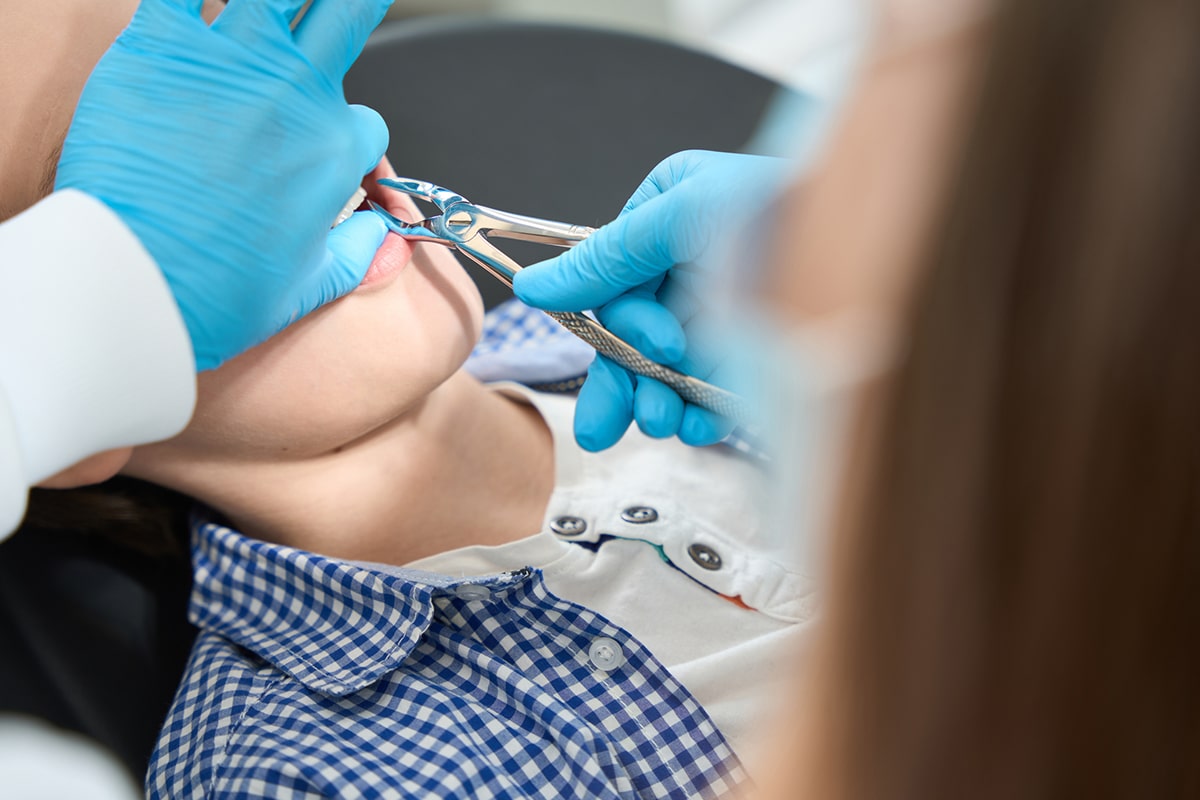
When a child needs a tooth removed, it is natural for parents to focus on helping them heal comfortably and quickly. Tooth extractions are sometimes necessary to protect oral health, relieve pain, or make room for proper dental development. After the procedure, what your child eats can make a big difference in how smoothly the recovery process goes.
Food choices play an important role in healing. Soft, gentle foods help protect the extraction site while providing the nutrients your child needs to recover. Certain foods, however, can irritate the area or delay healing. Understanding the best and worst options can help parents support their child’s recovery while also reinforcing the importance of restorative dentistry when dental issues need treatment.
Why Proper Nutrition Matters After a Tooth Extraction
After a tooth extraction, the body begins a natural healing process. A blood clot forms at the extraction site, protecting the underlying bone and nerves while new tissue begins to develop. During the first few days, it is important to avoid anything that could disturb this clot.
Foods that are too crunchy, sticky, or hot can irritate the area or dislodge the clot. This can cause pain and may slow the healing process. On the other hand, soft foods that are easy to chew help your child stay comfortable and allow the extraction site to heal properly.
For many children, tooth extractions are part of a larger treatment plan. Pediatric dentists often recommend extractions when baby teeth are severely damaged, infected, or blocking the proper eruption of permanent teeth. These procedures are commonly part of restorative dentistry, which focuses on repairing and protecting the health of developing smiles.
When combined with proper aftercare and healthy food choices, most children recover quickly and comfortably.
Best Foods for Children After a Tooth Extraction
Soft foods are ideal during the first few days following a tooth extraction. These foods require little chewing and are less likely to irritate the sensitive area in the mouth.
Some of the best options include yogurt, applesauce, mashed potatoes, scrambled eggs, smoothies, and soft pasta. These foods are gentle on the gums while still providing nutrients that help support healing.
Cold or slightly chilled foods can also be soothing during the early stages of recovery. Foods like yogurt, pudding, smoothies and even ice cream may help reduce swelling and provide comfort.
Soups can also be a great choice, as long as they are not too hot. Lukewarm broth-based soups with soft ingredients can help keep children hydrated while providing vitamins and minerals that support healing.
Parents should encourage children to chew on the opposite side of the mouth whenever possible and remind them to eat slowly to avoid irritating the extraction site.
Foods to Avoid During the Healing Process
Certain foods can interfere with healing and should be avoided during the first several days after a tooth extraction.
- Crunchy foods such as chips, crackers, popcorn, and raw vegetables can easily irritate the extraction site. Small pieces may become trapped in the area, increasing the risk of discomfort or infection.
- Sticky foods like caramel, gummy candies, and chewing gum should also be avoided. These foods can pull at the healing tissue and disrupt the blood clot that protects the extraction site.
- Hard foods that require strong biting or chewing, such as nuts or hard candy, should be avoided as well. These foods can place pressure on the healing area and cause pain.
- Parents should also limit acidic and spicy foods, which can irritate sensitive tissues during recovery. Even foods that are normally healthy, such as citrus fruits, may cause discomfort if introduced too soon.
By avoiding these foods during the early healing stage, parents can help prevent unnecessary complications and support a faster recovery.
Additional Tips to Help Children Heal Comfortably
Along with choosing the right foods, there are several other steps parents can take to help children recover comfortably after a tooth extraction.
Encourage your child to rest during the first day after the procedure. Physical activity can increase blood flow and may lead to additional bleeding around the extraction site.
Good oral hygiene remains important, but brushing near the extraction area should be done gently.
Children should also avoid using straws during the first few days. The suction created when drinking through a straw can dislodge the protective blood clot and slow the healing process.
Parents can help manage mild discomfort by following the dentist’s aftercare instructions and offering soft, nourishing foods during recovery.
When restorative dentistry treatments are necessary, careful aftercare helps ensure that children heal properly and return to their normal routines as quickly as possible.
Helping Your Child Heal and Smile Again
Recovering from a tooth extraction does not have to be stressful for children or parents. With the right food choices and proper aftercare, most children heal quickly and comfortably.
Soft, gentle foods can protect the extraction site while providing the nutrients needed for healing. Avoiding crunchy, sticky, or irritating foods helps prevent complications and supports a smoother recovery.
When dental problems require treatment, restorative dentistry plays an important role in protecting a child’s oral health and ensuring their smile continues to develop properly.
Frequently Asked Questions About Pediatric Tooth Extractions
How long does it take for a child to recover from a tooth extraction?
Most children begin to feel better within 24 to 48 hours after the procedure. The extraction site typically heals over the following week, although complete healing may take a little longer depending on the tooth and the child’s individual healing process.
When can my child return to normal foods?
Soft foods are recommended for the first few days after the extraction. As healing progresses and discomfort decreases, children can gradually return to their normal diet, usually within about a week.
At Great Marsh Pediatric Dentistry, we are committed to helping children maintain healthy, confident smiles through compassionate and specialized care. Our team provides treatments designed specifically for young patients while guiding families through every step of the process. If your child needs dental care or you have questions about treatment options, contact us today and schedule an appointment.