July 27, 2026
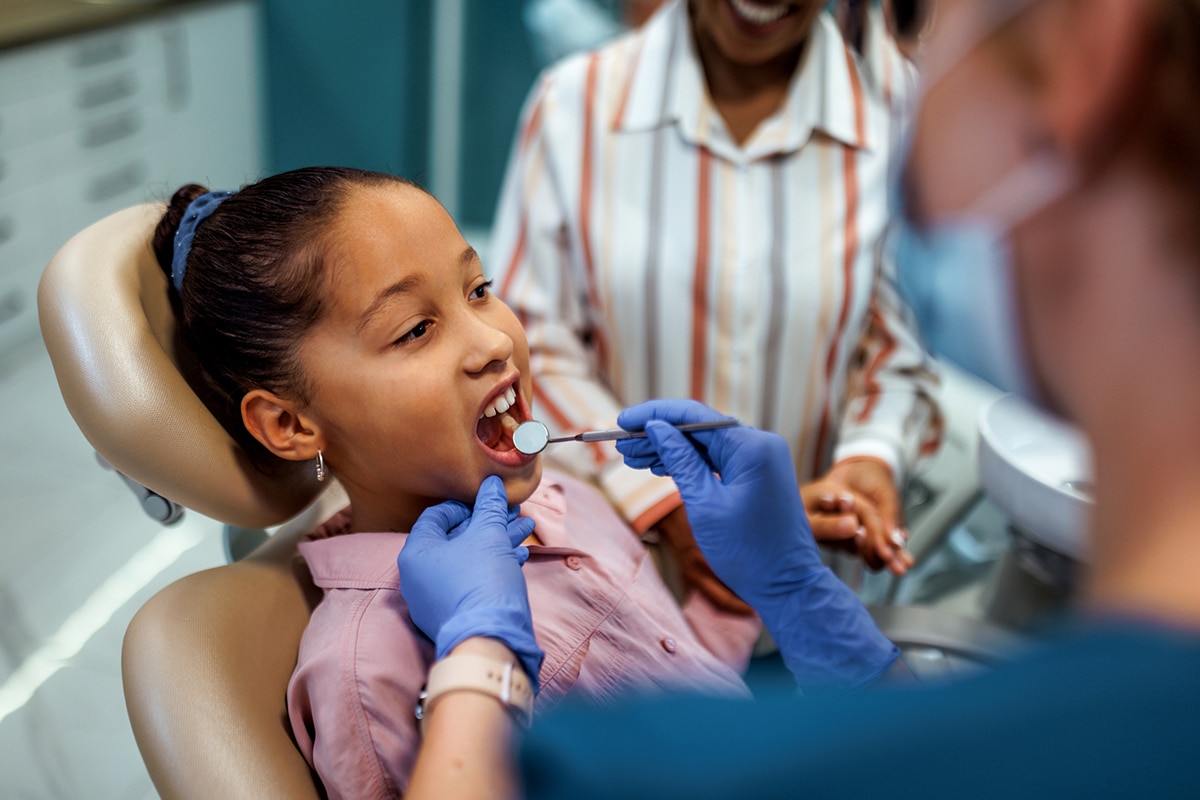
As a parent, you do everything you can to help your child stay healthy, including encouraging good brushing habits and scheduling regular dental visits. Even with the best intentions, however, some children are naturally at a higher risk for cavities than others. Knowing the warning signs can help you take action before small problems become larger ones.
At Great Marsh Pediatric Dentistry, we believe preventive care is one of the best ways to protect growing smiles. Our gentle, child-centered approach helps families understand cavity risk and build healthy habits that support lifelong oral health.
Why Some Children Develop Cavities More Easily
Cavities form when bacteria in the mouth feed on sugars and starches, producing acids that gradually wear away tooth enamel. While every child has bacteria in their mouth, certain habits, medical conditions, and lifestyle factors can significantly increase the risk of tooth decay.
Understanding these risk factors allows parents and pediatric dentists to create personalized prevention strategies that keep children's teeth healthy from infancy through the teen years.
1. Your Child Has Already Had Cavities
One of the strongest predictors of future cavities is a history of previous tooth decay. If your child has already had one or more cavities, they may be more likely to develop additional ones without changes to their oral hygiene routine or preventive care.
Previous cavities may indicate:
- Difficulty brushing effectively
- Frequent snacking on sugary foods
- High levels of cavity-causing bacteria
- Deep grooves in the teeth that trap food
- Individual differences in enamel strength
The good news is that identifying this pattern early allows your pediatric dentist to recommend preventive treatments that reduce future risk.
2. Frequent Snacking or Sugary Drinks
Children who snack throughout the day expose their teeth to repeated acid attacks. Every time sugary or starchy foods are eaten, bacteria produce acid for approximately 20 to 30 minutes afterward.
Common cavity-causing foods and drinks include:
- Juice
- Sports drinks
- Soda
- Candy
- Sticky fruit snacks
- Crackers
- Cookies
- Sweetened cereals
Even foods that seem healthy, such as dried fruit, can stick to teeth and increase cavity risk. Water remains the best beverage between meals because it helps rinse away food particles without feeding harmful bacteria.
3. Poor or Inconsistent Brushing Habits
Young children often need help brushing much longer than many parents realize.
Signs brushing may not be effective include:
- Plaque visible along the gumline
- Food remaining between teeth
- Brushing lasting less than two minutes
- Frequently skipping nighttime brushing
Parents should supervise brushing until children have the coordination to brush thoroughly on their own, which is often around ages seven to eight. Flossing is equally important once teeth begin touching each other, as toothbrushes cannot clean between tight spaces.
4. Dry Mouth or Certain Medical Conditions
Saliva plays an essential role in protecting teeth. It helps wash away food particles, neutralize acids, and deliver minerals that strengthen enamel.
Some children experience dry mouth because of:
- Certain medications
- Mouth breathing
- Allergies
- Medical conditions affecting saliva production
When saliva levels decrease, cavity risk often increases because teeth lose one of their natural defenses. If your child frequently complains of a dry mouth or seems to drink water constantly, discuss these symptoms during their dental appointment.
5. Deep Grooves or Hard-to-Clean Teeth
Not all teeth have the same shape. Some children's molars naturally have deep pits and grooves that easily trap food and bacteria. Even children who brush carefully may struggle to keep these areas completely clean.
In these situations, preventive dental sealants can provide valuable protection. Sealants cover the deep grooves of permanent molars with a thin protective coating that helps prevent food and bacteria from becoming trapped. Sealants are quick, comfortable to place, and can significantly reduce the risk of cavities in back teeth.
6. Irregular Dental Checkups
Routine dental visits do much more than clean teeth.
Regular preventive appointments allow your pediatric dentist to:
- Detect early signs of tooth decay
- Monitor changes in cavity risk
- Apply fluoride treatments when appropriate
- Reinforce healthy brushing habits
- Identify concerns before they become painful
Children often do not notice cavities until they become larger. Professional examinations help catch problems while they are still small and easier to treat.
Great Marsh Pediatric Dentistry encourages establishing a dental home where children become comfortable with routine care while building positive lifelong experiences. Dr. Marina and the team focus on creating a welcoming, educational environment that helps children feel confident about visiting the dentist.
7. Family History of Tooth Decay
Genetics alone do not cause cavities, but family history can influence risk.
Some inherited factors include:
- Enamel quality
- Tooth shape
- Saliva composition
- Oral bacteria passed among family members
If parents experienced frequent cavities as children, it is worth discussing this history with your child's pediatric dentist. Knowing about family risk factors allows for earlier preventive strategies.
Additional Factors That Can Increase Cavity Risk
While the seven signs above are among the most common, other factors may also contribute.
These include:
- Wearing orthodontic appliances that make brushing more difficult
- Frequent nighttime bottles containing milk or juice
- Limited fluoride exposure
- Special healthcare needs affecting oral hygiene
- Thumb sucking or prolonged pacifier use when combined with poor oral hygiene
Each child has unique needs, which is why individualized care is so valuable.
How Parents Can Help Prevent Cavities
Fortunately, many cavity risk factors can be managed with consistent daily habits.
Healthy steps include:
- Brushing twice each day with fluoride toothpaste.
- Flossing daily once teeth touch.
- Offering water instead of sugary drinks.
- Limiting frequent snacking.
- Choosing nutritious meals.
- Scheduling regular dental examinations and cleanings.
- Asking your pediatric dentist whether fluoride treatments or dental sealants are appropriate.
Making oral hygiene fun through songs, reward charts, or brushing together can also encourage children to develop lasting healthy habits.
Early Prevention Leads to Lifelong Healthy Smiles
Cavities are one of the most common childhood health conditions, but they are also highly preventable. Paying attention to early warning signs allows parents to make simple adjustments that protect growing smiles for years to come.
Whether your child has never had a cavity or has experienced tooth decay before, regular preventive care provides the guidance and support needed to maintain excellent oral health. Working together with your pediatric dentist helps ensure your child grows up with a healthy, confident smile.
Frequently Asked Questions About Children's Cavity Prevention
Can baby teeth really matter if they eventually fall out?
Yes. Baby teeth help children chew, speak clearly, and guide permanent teeth into proper position. Untreated cavities in baby teeth can lead to pain, infection, and problems with the developing adult teeth.
How often should my child receive fluoride treatments?
The frequency depends on your child's individual cavity risk. Your pediatric dentist will evaluate your child's oral health and recommend a schedule that provides the greatest preventive benefit.
Are dental sealants only for children with cavities?
No. Dental sealants are designed to prevent cavities before they develop. Many children receive sealants shortly after their permanent molars erupt to provide extra protection during the cavity-prone years.
Can cavities develop even if my child brushes every day?
Yes. While daily brushing is essential, cavity risk also depends on diet, fluoride exposure, saliva, tooth anatomy, and regular professional care. Consistent dental checkups help identify additional preventive measures when needed.
Can cavity risk change as my child gets older?
Yes. A child's cavity risk can increase or decrease over time depending on factors such as diet, oral hygiene habits, the eruption of permanent teeth, orthodontic treatment, and overall health. Regular dental checkups help monitor these changes so preventive care can be adjusted as your child's needs evolve.
At Great Marsh Pediatric Dentistry, we are committed to helping children build healthy smiles through compassionate, personalized care in a welcoming environment. We work closely with families to provide preventive dental services, education, and treatment tailored to every child's unique needs. Contact us today to schedule an appointment.